

If you’re wondering what is ABA therapy, it’s an evidence-based approach called Applied Behavior Analysis that helps children and young adults with autism build communication, social, behavioral, and daily living skills using positive reinforcement and individualized strategies. In North Carolina, ABA therapy may be provided in the home, in clinics, or through telehealth services.
If your child was recently diagnosed with autism, you may have heard about ABA therapy from a pediatrician, school counselor, or another parent and want to understand how it works before making care decisions. This guide explains what ABA therapy is, how it works, who provides it, what North Carolina families can expect, and how insurance coverage typically works.
What Does ABA Therapy Stand For, And What Does It Actually Mean?
ABA stands for Applied Behavior Analysis. It is a therapy built on the science of how people learn and how behavior is shaped by the environment. For children and young adults with autism spectrum disorder, ABA uses science to build meaningful, real-world skills in a way that respects each person’s individuality and pace.
The word “applied” is important. It means the focus is on real-life skills, not classroom theory. A child does not practice skills in a lab. They practice them at home, in their daily routines, and in the settings where those skills actually matter.
Applied behavior analysis is recognized as an evidence-based best practice by organizations, including the American Psychological Association. The Behavior Analyst Certification Board (BACB) sets the professional and ethical standards for behavior analysts practicing in the United States.
ABA therapy works by identifying a child’s current skills, understanding what is driving specific behaviors, and building a plan to teach new skills using strategies that are proven to work. The primary focus is always on what is meaningful to the child and family, not on a standardized checklist.
Families across North Carolina are increasingly turning to in-home ABA therapy as a flexible, practical way to access support without disrupting their child’s daily routine.
How Did ABA Therapy Develop, And How Has It Changed?
ABA therapy has been used for decades, but modern ABA looks very different from earlier models. While older approaches were often highly structured and clinic-based, today’s ABA programs are more naturalistic, individualized, and child-led.
The Early Foundations of ABA Therapy
The scientific foundation for ABA was established in 1968 by Baer, Wolf, and Risley, who defined what it means for behavior analysis to be truly “applied.” In 1987, psychologist O. Ivar Lovaas published a landmark study showing that early intensive behavioral intervention produced meaningful gains in intellectual and adaptive functioning for many autistic children.
But the field did not stop evolving there.
Many families have concerns based on what they have heard about older ABA approaches online. Those concerns are important, and they are also part of why the field has changed significantly over the past two decades. Earlier models often relied heavily on repetitive discrete trial instruction in highly controlled environments. Modern ABA increasingly incorporates natural environment teaching, child assent, play-based learning, and individualized goals built around each child’s needs and family priorities.
What Modern ABA Therapy Looks Like Today
Today, many ABA programs follow approaches researchers describe as Naturalistic Developmental Behavioral Interventions (NDBIs). These approaches embed learning into play, routines, and everyday interactions. Sessions often follow the child’s interests while still targeting meaningful skill development.
This shift matters because modern ABA is not designed around forcing compliance or changing a child’s personality. The goal is to support communication, independence, emotional regulation, and participation in everyday life in ways that are practical and meaningful for the child and family.
Is ABA Therapy Evidence-Based?
Yes. ABA therapy is one of the most researched interventions used to support children with autism spectrum disorder. Published research shows that individualized ABA programs can support communication, adaptive behavior, and daily living skills over time. For North Carolina families, one of the most important factors is choosing a program that begins with a BCBA-led assessment, sets measurable goals, and adjusts treatment based on the child’s progress.
One of the most cited pieces of research is a 2009 meta-analysis by Eldevik et al., published in the Journal of Clinical Child and Adolescent Psychology. Researchers reviewed multiple controlled studies of early intensive behavioral intervention and found positive outcomes across language development, intellectual functioning, and adaptive behavior for many children diagnosed with autism spectrum disorder.
What does “evidence-based” mean in plain terms?
It means the therapy has been studied in controlled research settings, reviewed by independent researchers, and evaluated across multiple populations over time. It’s not based only on anecdotal experience or trends.
It is also important to understand that outcomes vary from child to child. No ethical ABA provider promises specific timelines or guaranteed results. What research consistently supports is that individualized therapy, caregiver involvement, and ongoing progress monitoring are critical parts of an effective ABA program.
The BACB maintains national credentialing standards and certification requirements for Board Certified Behavior Analysts, helping ensure behavior analysts meet defined professional and ethical standards before working with families.
What Does ABA Therapy Actually Involve?
ABA therapy involves structured but flexible sessions where therapists help children and young adults practice specific skills and behaviors using positive reinforcement, natural routines, and individualized teaching strategies.
Who Delivers ABA Therapy? The BCBA and RBT Explained
Two professional roles are central to most ABA programs.
Board Certified Behavior Analyst (BCBA)
The BCBA is the clinician responsible for designing and supervising the child’s therapy program. The BCBA conducts assessments, identifies goals, develops treatment plans, reviews progress data, and supervises direct therapy.
BCBAs hold graduate-level training and must pass the national certification exam administered by the BACB.
Registered Behavior Technician (RBT)
The Registered Behavior Technician works directly with the child during therapy sessions. RBTs implement the treatment plan created by the BCBA and collect data during each session to help monitor progress.
RBTs work under the supervision of a BCBA. Think of the BCBA as the program designer and the RBT as the therapist carrying out the day-to-day implementation. Both roles are essential to the child’s care.
What a Typical ABA Session Looks Like
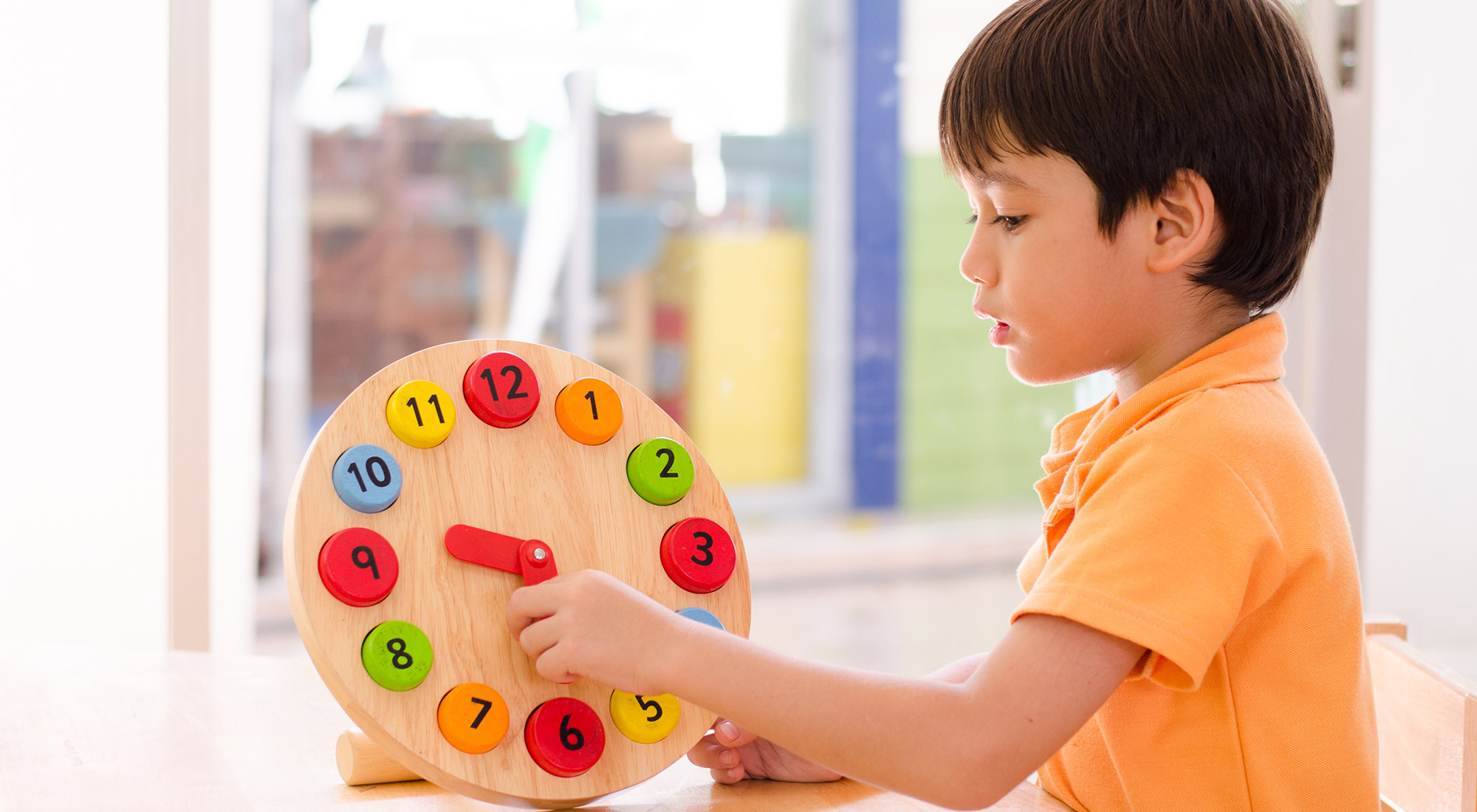
During in-home ABA sessions, therapists often begin by building trust and engagement through preferred activities like sensory play, puzzles, movement games, or favorite routines before introducing more structured skill goals.
For example, a younger child working on communication goals may begin by learning to request favorite snacks or toys using words, gestures, or a communication device during everyday routines at home.
A typical session may include:
- Warm-up and pairing to build rapport
- Skill practice using natural activities
- Communication support
- Play-based learning opportunities
- Breaks and child-led activities
- Progress tracking and data collection
Modern ABA sessions are designed to feel interactive and supportive, not overly clinical or rigid.
What Skills Does ABA Therapy Support?
ABA therapy can support communication, daily routines, emotional regulation, and functional life skills based on each child’s individual strengths and support needs.
| Skill Area | Examples |
| Communication | Requesting needs, vocabulary development, AAC use |
| Daily Living Skills | Dressing, hygiene, mealtime routines, toileting |
| Social Skills | Turn-taking, greetings, peer interaction |
| Emotional Regulation | Managing transitions, identifying emotions |
| Behavioral Support | Reducing unsafe or disruptive behaviors |
| School Readiness | Following instructions, attention, and task completion |
| Independent Living Skills | Community participation, self-advocacy, routines |
A thorough assessment helps identify which goals are most meaningful and appropriate for each child.
ABA therapy may also help address challenging behaviors such as aggression, self-injury, elopement, severe tantrums, or difficulty with transitions. A BCBA first works to understand why the behavior is happening, then builds a support plan that teaches safer, more functional ways for the child to communicate needs or manage frustration.
ABA therapy also focuses on building positive behaviors, such as asking for help, following routines, taking turns, waiting, using coping strategies, and communicating needs appropriately. The goal is not only to reduce challenging behaviors, but to teach practical replacement skills that help the child succeed in daily life.
At What Age Should ABA Therapy Start?
ABA therapy can begin as early as 18 months and may continue through adolescence and young adulthood. Research strongly supports early intervention, but older children and teenagers can also make meaningful progress when goals are individualized to their stage of development.
Early Childhood (18 Months to 5 Years)
ABA during early childhood often focuses on communication, play skills, adaptive behavior, and social engagement.
School-Age Children (6 to 12 Years)
School-age programs may focus on classroom participation, peer interaction, routines, emotional regulation, and independence.
Teenagers and Young Adults (13 to 21 Years)
For older individuals, goals often include vocational skills, daily living tasks, self-advocacy, and community participation.
Starting therapy later is not a reason to avoid support. Meaningful progress can happen at many ages when therapy is individualized and aligned with the child’s goals.
How Is ABA Therapy Different From Speech Therapy and Occupational Therapy?
ABA therapy, speech therapy, and occupational therapy often work together but focus on different developmental areas.
| ABA Therapy | Speech Therapy | Occupational Therapy | |
| Primary Focus | Behavior, learning, and skill generalization | Language, communication, and speech | Sensory processing, fine motor, and daily tasks |
| Delivered By | BCBA (supervisor) and RBT | Speech-Language Pathologist (SLP) | Occupational Therapist (OT) |
| Session Setting | Home, clinic, or telehealth | Clinic, school, or telehealth | Clinic, school, or home |
| Goal Examples | Requesting needs, reducing challenging behaviors, and daily routines | Expanding vocabulary, articulation, AAC | Handwriting, dressing, sensory tolerance |
| Works Alongside ABA? | Core therapy | Yes, frequently combined | Yes, frequently combined |
Many children benefit from combining therapies depending on their strengths and support needs.
What Are Common Misconceptions About ABA Therapy?
Some families worry that ABA therapy is rigid, repetitive, or focused on making children behave in unnatural ways. These concerns often reflect outdated perceptions of older ABA models rather than how many modern ABA programs operate today.
Misconception 1: ABA Tries to Make Children “Act Neurotypical”
Modern ABA does not aim to erase a child’s identity or personality. Ethical ABA programs focus on helping children develop skills that improve communication, independence, safety, and participation in everyday life.
Neurodiversity-affirming care recognizes that autistic individuals experience the world differently and that therapy should support meaningful goals rather than conformity.
Misconception 2: ABA Is Just Drills and Flashcards
Many parents are surprised by how play-based and relationship-focused modern ABA sessions can feel.
For example, a therapist might practice turn-taking and communication while a child builds with blocks or asks for pieces during play. Structured teaching methods like discrete trial training may still be used when appropriate, but they are only one part of a broader toolkit.
Misconception 3: ABA Only Helps Young Children
ABA therapy can support children, teenagers, and young adults. Goals simply evolve.
A teenager’s goals may include:
- independent routines
- community navigation
- workplace readiness
- friendship skills
- emotional regulation
If you have questions about whether ABA therapy is the right fit for your child, iCare Therapy’s care team is available to talk through your family’s specific situation, with no pressure and no commitment required. You can speak with an iCare care coordinator at any time.
Does Insurance Cover ABA Therapy in North Carolina?
Yes. In North Carolina, Medicaid may cover ABA therapy for eligible children and adolescents under the Early and Periodic Screening, Diagnostic, and Treatment (EPSDT) benefit when services are medically necessary.
Many private insurance plans also provide ABA coverage, although authorization requirements and covered services vary by policy.
One challenge many North Carolina families encounter is not whether ABA is covered, but how long authorization, provider availability, and regional waitlists can delay access to services, especially for families seeking in-home ABA support.
Navigating insurance after an autism diagnosis can feel overwhelming. Many providers, including iCare Therapy, help families better understand coverage options, authorization requirements, and the steps involved in beginning services.
How iCare Therapy Helps North Carolina Families Access ABA Therapy
ABA therapy is one of the most researched supports used for children and young adults with autism spectrum disorder. It can help build communication, social interaction, emotional regulation, adaptive behavior, and daily living skills through individualized strategies delivered in everyday environments. For many families, in-home ABA therapy allows children to practice meaningful skills where they naturally occur: at home, during routines, and with caregivers involved in the learning process.
iCare Therapy provides family-centered ABA services across the Greater Charlotte, North Carolina area, including caregiver collaboration, individualized treatment planning, and flexible service options based on each child’s needs. Families considering ABA therapy can speak with an iCare care coordinator to learn more about evaluations, insurance options, and the process for beginning services.