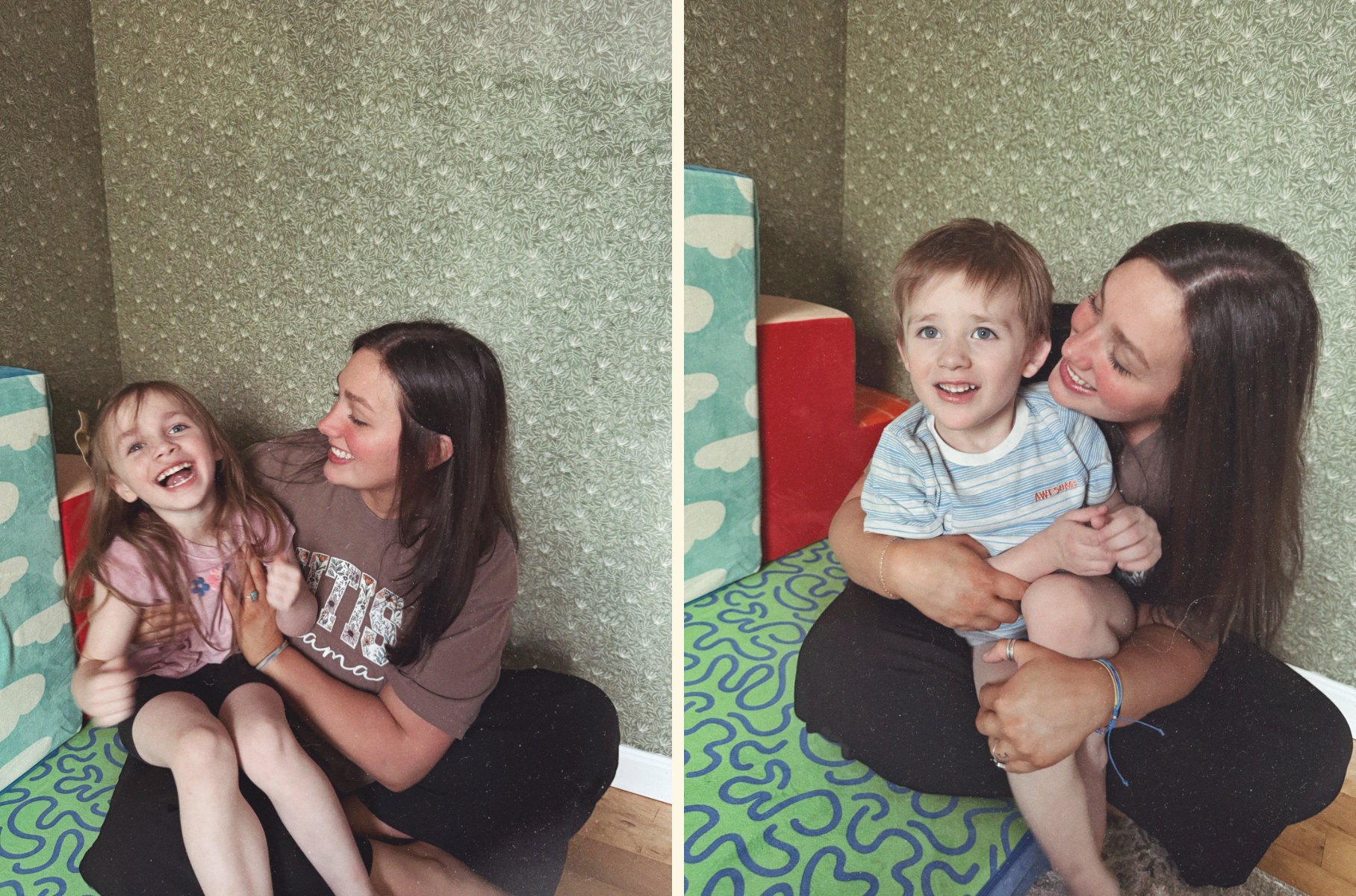


ABA therapy in Charlotte, NC, is an evidence-based autism intervention that helps children develop communication, social, adaptive, and daily living skills through individualized treatment plans created by Board Certified Behavior Analysts (BCBAs). Families across Mecklenburg, Cabarrus, Union, Gaston, and Iredell counties often begin exploring ABA therapy soon after developmental concerns are identified or an autism diagnosis is received, making it one of the most common early intervention recommendations.
In Charlotte, ABA services are frequently delivered through in-home programs and coordinated with local healthcare and developmental resources. Parents often want to know what therapy actually looks like, how it fits into everyday family life, and how to access services through insurance and local support systems. This guide explains how ABA therapy works in practice, what early sessions typically involve, and how families can navigate autism services in the Charlotte area.
Clinical Definition of ABA Therapy in Charlotte, NC
ABA therapy in Charlotte, NC, refers to a structured behavior analysis ABA therapy approach that helps children build communication, social, adaptive, and daily living skills through individualized treatment plans. It is widely recommended as part of early intervention and ongoing autism support services and is commonly accessed through in-home programs, insurance-funded care, and developmental service networks throughout Mecklenburg County and surrounding communities.
In Charlotte, ABA therapy is typically delivered by a clinical team led by a Board Certified Behavior Analyst (BCBA) and tailored to each child’s unique needs, goals, and family circumstances. Rather than following a one-size-fits-all approach, treatment is designed to support meaningful skill development in the environments where children spend their time, including the home, community, and other everyday settings.
How ABA Therapy Works in Real Home Environments
In-home ABA therapy in Charlotte is designed to teach skills in the environments where children naturally live and interact. This includes routines such as meals, dressing, transitions, and play. Clinically, this setting improves generalization because the child is learning skills in the same context where they will be used.
Sessions are guided by BCBA-developed treatment plans and implemented by Registered Behavior Technicians (RBTs) who track measurable behavior changes over time. Early intervention programs often range from 15 to 25+ hours per week, depending on clinical recommendation.
Core clinical targets in home-based ABA:
- Functional communication and requesting
- Routine participation and transitions
- Reduction of behavior interference patterns
- Adaptive daily living skills
Clinical Insight: In early intervention cases, communication gains often appear first through improved response to prompts and increased spontaneous requesting before broader behavioral changes become visible.
What Clinicians Observe in Early Intervention
In early ABA intervention, the first phase is typically assessment and behavioral mapping. Clinicians focus less on immediate skill teaching and more on identifying reinforcement patterns, triggers, and baseline communication levels.
Children entering services through referrals from pediatricians, developmental specialists, or early intervention programs such as Mecklenburg County CDSA often begin with this assessment-focused phase before treatment goals are finalized.
This is intentional and aligns with clinical best practice.
Early intervention typically includes:
- Functional behavior assessment (FBA)
- Baseline skill measurement
- Caregiver interviews and input
- Reinforcement preference identification
Clinical Insight: Most meaningful progress is not immediate behavior change but improved predictability in response patterns and communication attempts within structured sessions.
In-Home vs. Center-Based ABA Therapy Models
ABA therapy in Charlotte is delivered through both in-home and center-based models, depending on developmental needs and clinical recommendations.
| Model | Clinical Purpose | Best Use Case |
| In-home ABA | Natural environment generalization | Daily routines and caregiver involvement |
| Center-based ABA | Structured skill acquisition | Peer interaction and routine building |
Center-based programs often include structured group environments and sensory spaces, while in-home therapy focuses on functional application in daily life contexts.
How Progress Is Measured in ABA Therapy
ABA therapy progress is measured through continuous behavioral data collection rather than subjective observation. BCBA clinicians review trends in communication frequency, behavior reduction, and skill acquisition over time.
Common progress indicators:
- Increased functional communication attempts
- Reduced frequency of interfering behaviors
- Improved independence in routines
- Increased tolerance for transitions
Clinical Insight: Progress in early ABA is typically nonlinear. Skill acquisition often appears in small behavioral shifts before broader developmental changes become visible.
Insurance and Access in North Carolina
Access to Applied Behavior Analysis therapy in North Carolina is typically determined through insurance authorization and clinical eligibility criteria. For younger children, families may also be connected with early intervention programs through the Mecklenburg County CDSA (Children’s Developmental Services Agency), which helps coordinate developmental evaluations and support services before school age.
For many families, this process is the first step toward helping a child start ABA therapy through an approved provider.
Standard access pathway:
- Diagnostic confirmation of autism spectrum disorder
- Insurance verification and eligibility review
- BCBA clinical assessment
- Authorization and service initiation
Insurance coverage varies depending on plan type, and timelines depend on documentation and payer review processes. These requirements are designed to make medically necessary ABA therapy services more accessible to eligible families.
Local Diagnostic and Developmental Resources in Charlotte
Families in Charlotte often interact with a combination of medical, educational, and early intervention systems during diagnosis and treatment planning.
Key regional resources:
- Levine Children’s Hospital (pediatric developmental and diagnostic services)
- Mecklenburg County CDSA (early intervention coordination services)
- Charlotte-Mecklenburg Schools (special education services)
- Regional autism support organizations across the Charlotte metro area
iCare Therapy provides in-home ABA therapy services across Mecklenburg, Cabarrus, Union, Gaston, and Iredell counties.
Clinical Indicators for ABA Therapy Referral
ABA therapy is typically recommended when a child shows persistent challenges in functional communication, adaptive behavior, or social engagement that affect daily functioning across environments.
Common clinical indicators:
- Delayed or limited functional communication
- Difficulty with transitions or routine changes
- Repetitive or restricted behavioral patterns
- Challenges with adaptive daily living skills
Clinical Note: Referral decisions are based on functional impact rather than diagnosis alone, consistent with BACB-aligned practice standards.
How iCare Therapy Supports Families in Charlotte
ABA therapy in Charlotte, NC, is most effective when families have access to structured clinical guidance, coordinated care planning, and consistent support across home and developmental systems. iCare Therapy’s experienced team works with families across Mecklenburg, Cabarrus, Union, Gaston, and Iredell counties to provide ABA therapy through in-home services, caregiver training, and insurance coordination aligned with individualized treatment planning.
For families beginning this process, the focus is not only on access to therapy but on understanding how the intervention fits into daily life and long-term development. Speak with a care coordinator to explore whether in-home ABA therapy may be appropriate for your child and what the clinical onboarding process typically involves. The goal is to deliver comprehensive ABA therapy services that support communication, adaptive skills, caregiver involvement, and long-term developmental progress.