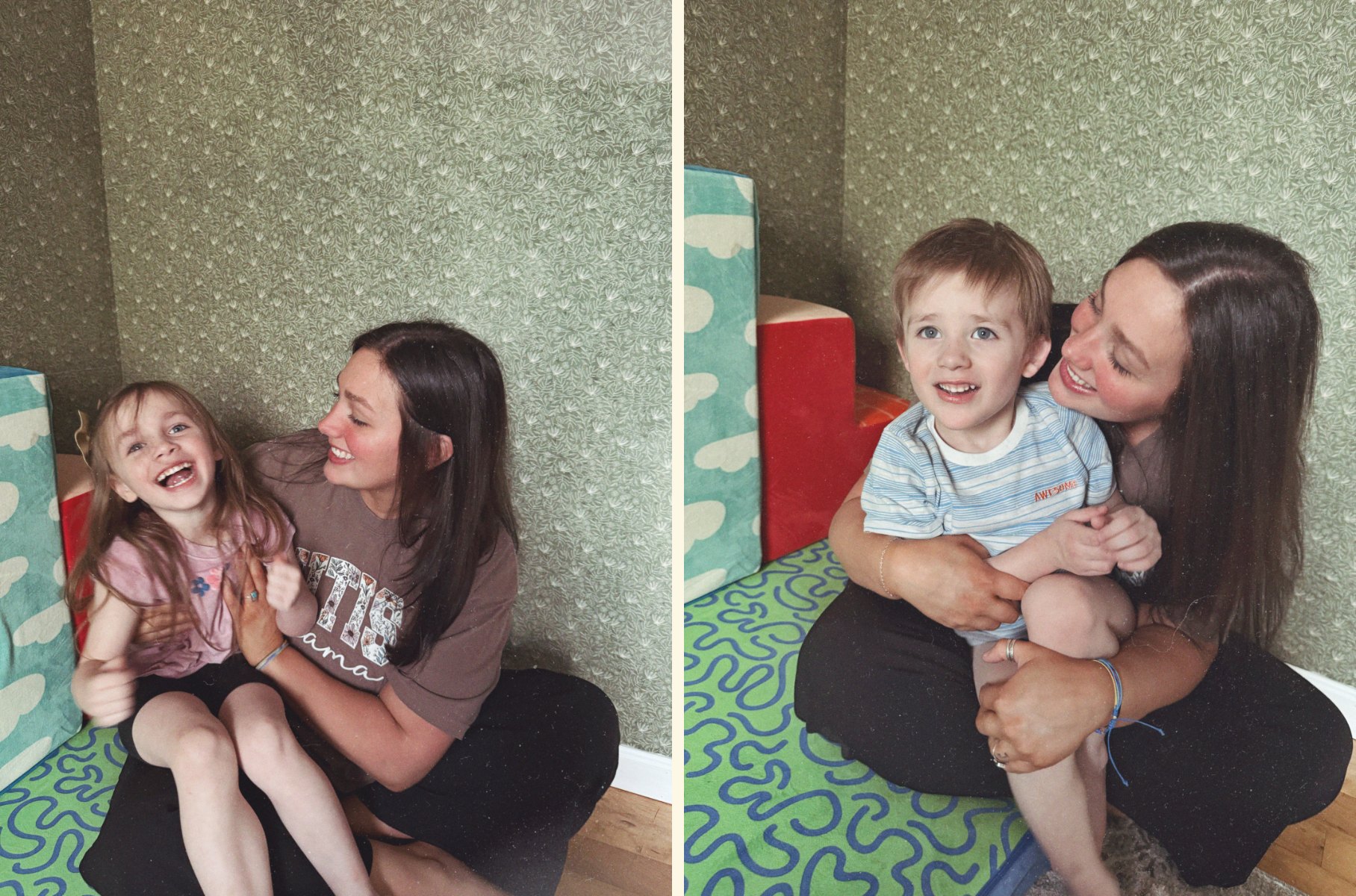


ABA therapy should start as soon as developmental concerns are noticed, ideally as early as 18 months and no later than age 5, and it should not be delayed while waiting for a formal diagnosis. The reason is that early childhood is when the brain is most adaptable, and research shows stronger improvements in communication, learning, and behavior when intervention begins during this window.
In practice, many families lose valuable time due to diagnosis and referral waitlists, which is why early access pathways like North Carolina’s Infant-Toddler Program are important for starting support before paperwork is fully in place. This guide breaks down what the evidence actually says and what your next steps can look like right now. If you are ready to explore whether ABA therapy is a good fit for your child, iCare Therapy’s care coordinators can walk you through your options without any pressure.
What the Research Says About When to Start ABA Therapy
ABA therapy produces the strongest developmental outcomes when started between 18 months and 5 years of age. Research from Granpeesheh et al. (2009), published in Research in Autism Spectrum Disorders, followed 245 children receiving ABA therapy and found that younger age at treatment onset correlated significantly with greater skill gains across language, behavior, and adaptive functioning. Children who started before age 3 showed the greatest rates of skill acquisition overall.
The Early Start Denver Model (ESDM), studied by Dawson et al. (2010) in Pediatrics, reinforced these findings. ESDM is an ABA-based early intervention for children ages 18 to 30 months. Children who received it showed significantly higher IQ scores, stronger language development, and better adaptive behavior compared to a control group receiving standard community interventions.
Both studies also found that intensity matters alongside timing; children who received more weekly therapy hours showed greater gains, particularly under age 5.
Early vs. Later Intervention: What the Numbers Show
| Factor | Starting Before Age 3 | Starting After Age 5 |
| IQ point gains (2 years, ESDM) | Average 17.6 points | Average 7 points (control group) |
| Skill acquisition rate | Greatest, per Granpeesheh (2009) | Meaningful but slower |
| Recommended weekly hours | 20 to 40 hours (intensive) | 10 to 20 hours (focused) |
| Primary goal focus | Communication, play, and foundational skills | Independence, social skills, self-regulation |
| NC Medicaid access pathway | Infant-Toddler Program (pre-diagnosis available) | Standard ABA authorization with diagnosis |
This does not mean ABA therapy stops being useful after age 5. The research supports earlier starts, not early cutoffs.
Why the First Five Years Matter
Children’s brains form neural connections at a pace in the first five years of life that they will never reach again. Every new experience, learning a word, navigating a social situation, following a routine, lays down pathways that become the foundation for future learning. ABA therapy during this window works with that natural momentum rather than against it.
A child who learns to communicate a need at age 2 builds on that foundation continuously. A child who does not develop a functional way to express needs often develops behaviors that become much harder to address later. This is not about urgency for its own sake. It is about the practical reality that some skills are easier to build early than they are to rebuild later.
Parents sometimes hear the term “neuroplasticity” and assume it is scientific shorthand for something complicated. A simpler way to think about it: young children’s brains are genuinely better at forming new habits, learning language, and adapting to routines than older brains are. ABA therapy takes advantage of that window deliberately.
If you are waiting for a formal autism diagnosis before reaching out, ask your child’s pediatrician about a developmental evaluation in the meantime. Understanding the autism diagnosis process in North Carolina can also help families prepare for the next steps in accessing services. In Charlotte, North Carolina, children under age 3 may access early intervention services through the state’s Infant-Toddler Program before a diagnosis is confirmed.
What Does Early Intervention ABA Therapy Look Like at Home?
Early intervention ABA therapy at home focuses on helping young children build communication, play, social, and daily living skills within their natural environment. Rather than teaching skills in a clinical setting, therapists work within everyday routines and activities so children can practice and apply new skills where they are most needed.
How In-Home Early Intervention ABA Therapy Works
During an in-home ABA session, a Registered Behavior Technician (RBT) works directly with the child while a Board Certified Behavior Analyst (BCBA) develops the treatment plan, monitors progress, and adjusts goals based on ongoing data. Therapy is individualized to the child’s strengths, challenges, and developmental needs rather than following a standard program.
For young children, learning opportunities are often built into activities that already occur throughout the day. Communication goals may be practiced during meals and playtime, social skills may be introduced through interactions with family members, and daily living skills can be incorporated into routines such as dressing, transitions, and cleanup activities. This approach helps children learn skills in meaningful situations rather than in isolated exercises.
Caregiver involvement is a key part of early intervention ABA therapy. When parents and caregivers understand the strategies being used during sessions, they can reinforce those same skills throughout the day. This consistency helps create more learning opportunities and allows progress to extend beyond scheduled therapy sessions.
Families who want to better understand how in-home ABA therapy is delivered can learn more about the approach and what to expect from services designed to support children in their everyday environment.
Can Older Children and Young Adults Still Benefit From ABA Therapy?
Yes. ABA therapy can be effective for older children, teenagers, and young adults because treatment goals are individualized based on age, strengths, challenges, and long-term needs. While early intervention focuses on foundational skills, ABA therapy later in life often supports independence, social relationships, emotional regulation, and daily living skills.
Why ABA Therapy Is Not Just for Young Children
Many parents worry they may have missed the ideal time to start ABA therapy. While early intervention can offer important benefits, research and clinical experience show that ABA therapy can support meaningful skill development across different stages of life. The most important factor is not a person’s age but whether the goals being addressed are relevant to their current needs.
Older children and young adults often have a greater ability to participate in treatment planning, communicate their preferences, and work toward goals that directly impact their quality of life. This allows therapy to be highly personalized and focused on practical outcomes.
What Goals Does ABA Therapy Focus on for Older Learners?
As children grow, the focus of ABA therapy shifts to skills that support success at school, in the community, and eventually in adulthood. School-age children may work on social communication, peer relationships, self-regulation, and classroom participation. Teenagers and young adults often focus on independence, self-advocacy, community navigation, vocational readiness, and managing everyday responsibilities.
Because goals evolve with age, ABA therapy can remain relevant long after early childhood. Families exploring support options for an older child or young adult may benefit from learning how ABA therapy can be adapted to address age-appropriate challenges and independence goals.
How North Carolina Families Can Access ABA Therapy Early
North Carolina families can access ABA therapy early by seeking a developmental evaluation as soon as concerns arise, enrolling in available early intervention services, and beginning the Medicaid authorization process as soon as an autism diagnosis is confirmed. Starting these steps early can help reduce delays and connect children with support sooner.
Why Early Action Matters
North Carolina Medicaid covers ABA therapy for eligible children with an autism spectrum disorder diagnosis. Families who are comparing Medicaid and private insurance options may also want to understand how ABA therapy coverage works in North Carolina. For many families in Charlotte, Raleigh, and throughout the state, Medicaid serves as the primary source of funding for services. However, obtaining a diagnosis and completing the authorization process can take time, which is why early action is important.
Children under age 3 may also qualify for developmental support through North Carolina’s Infant-Toddler Program before a formal autism diagnosis is confirmed. This allows families to begin receiving early intervention services while they continue the diagnostic process.
Steps Families Can Take to Access ABA Therapy
For families pursuing ABA therapy through NC Medicaid, the process typically includes:
- Requesting a developmental evaluation through a pediatrician, the Infant-Toddler Program, or an ABA provider
- Scheduling an intake consultation to discuss the child’s needs and eligibility
- Verifying Medicaid coverage and gathering required documentation
- Completing the prior authorization process
- Beginning services once authorization is approved
Starting the process early can help prevent unnecessary delays. Families who have questions about eligibility, documentation, or authorization requirements may benefit from learning more about how in-home ABA therapy services are accessed and delivered throughout Charlotte, North Carolina.
Authorization timelines vary, but starting the process early protects your child’s access to services. iCare’s care coordinators handle Medicaid eligibility verification, prior authorization, and ongoing approvals for NC families. Speak with an iCare care coordinator to find out what your family qualifies for and what the timeline typically looks like.
Signs Your Child May Benefit From an ABA Evaluation
You do not need a diagnosis to request an evaluation. If something in your child’s development feels off, that instinct is worth following up on. A professional evaluation clarifies whether ABA therapy is a good fit; it does not commit you to anything.
Under age :
- Does not respond to their name by 12 months
- Limited or no pointing, waving, or reaching to share interest
- Little to no babbling or first words by 12 to 16 months
Ages 2 to 4
- Speech has not developed or is significantly delayed compared to same-age children
- Repetitive behaviors such as hand-flapping, rocking, or lining up objects
- Strong resistance to changes in routine, even minor ones
Ages 5 and up
- Difficulty managing emotions in social or group settings
- Challenges with peer relationships and social communication
- Struggles with daily routines or school expectations that do not improve with typical support
None of these signs automatically confirms autism or guarantees ABA therapy is the right fit. What they do confirm is that a professional evaluation is worth requesting.
How iCare Therapy Helps North Carolina Families With When to Start ABA Therapy
Research shows that ABA therapy is most effective when started as early as possible, ideally between 18 months and 5 years of age, when children’s brains are developing rapidly. However, ABA therapy can support meaningful progress at any age. Understanding the benefits of early intervention, recognizing developmental concerns, and taking action quickly can help families access services and build important communication, social, behavioral, and daily living skills.
iCare Therapy helps Charlotte, North Carolina, families navigate every stage of the process, from developmental evaluations and insurance verification to personalized in-home ABA therapy and caregiver training. Through BCBA-supervised treatment plans tailored to each child’s needs, iCare Therapy supports children and young adults as they develop skills that improve independence and quality of life. If you are wondering whether now is the right time to start ABA therapy, speak with iCare Therapy to discuss your child’s needs, explore available support options, and better understand the next steps for your family.