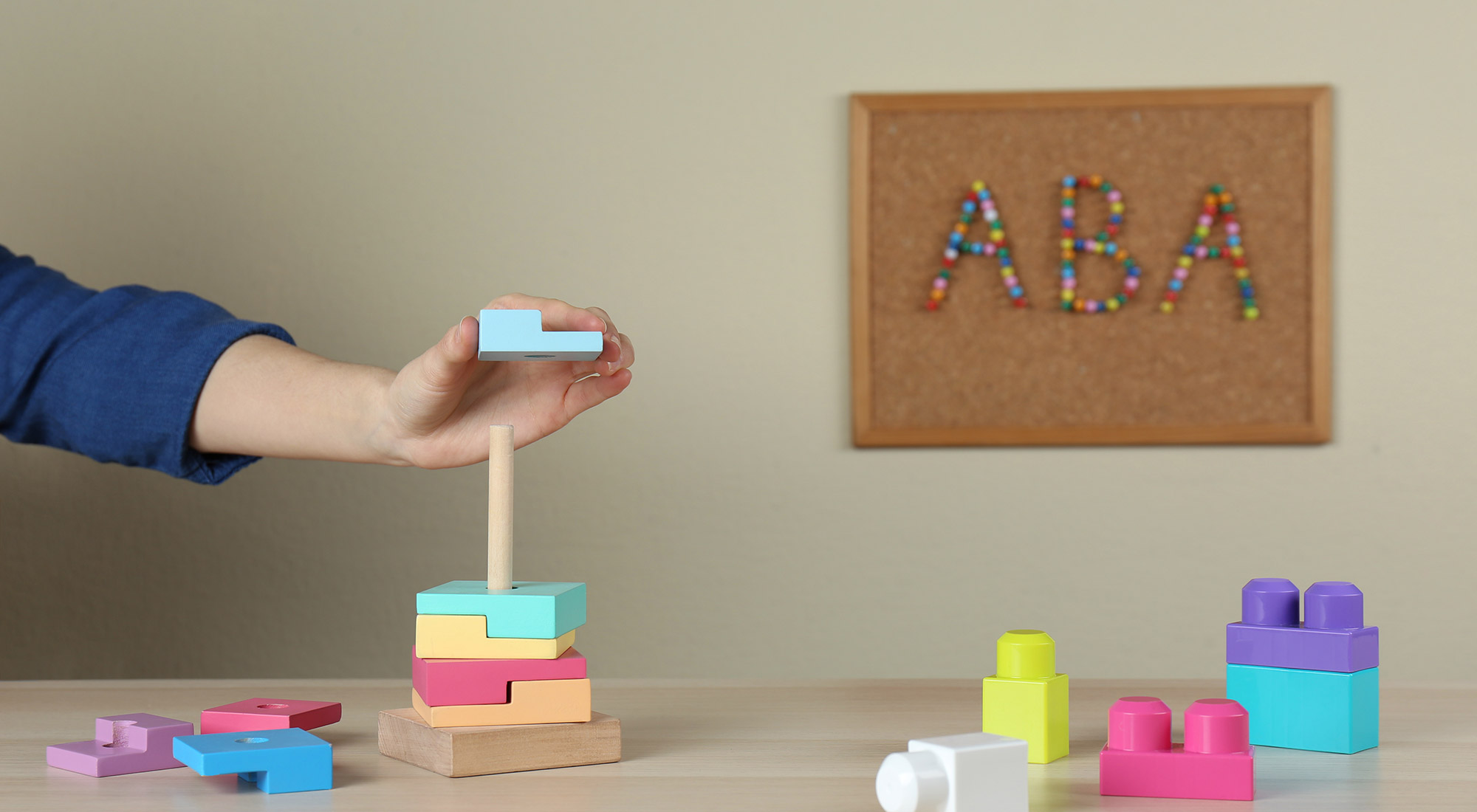


In-home ABA therapy usually includes play-based learning, communication practice, structured teaching, daily routines, breaks, caregiver collaboration, and individualized support in the child’s natural environment. A typical ABA therapy session may involve warm-up play, Discrete Trial Training (DTT), Natural Environment Teaching (NET), positive reinforcement, data collection, and parent coaching led by an ABA therapist under BCBA supervision.
Many parents wonder what ABA therapy looks like once services begin at home. In reality, most ABA sessions combine structured learning with everyday activities like snack time, free play, transitions, and daily living skills practice. According to the CDC, autism spectrum disorder affects communication, behavior, and social interaction differently for every child, which is why ABA treatment plans are individualized. Families exploring in-home ABA therapy in North Carolina often feel more comfortable once they understand how therapy fits into normal family routines.
What Does a Typical In-Home ABA Day Include?
A typical in-home ABA day may include rapport-building play, communication goals, structured teaching, emotional regulation support, movement breaks, parent coaching, and progress monitoring.
Most ABA sessions include:
- Warm-up and pairing activities
- Structured teaching
- Natural environment teaching NET
- Communication skills practice
- Positive reinforcement
- Daily living skills work
- Social skills activities
- Emotional regulation support
- Data collection
- Parent or caregiver debriefs
A Board Certified Behavior Analyst creates the child’s treatment plan and supervises the therapy team. Registered Behavior Technicians often work directly with the child during therapy sessions.
Therapy may happen in the living room, kitchen, bedroom, backyard, or other areas of the home, depending on the goals being practiced. Many learning opportunities happen naturally throughout everyday life. For example, an ABA therapist may work on requesting during snack time, transitions between activities, brushing teeth, or cleaning up toys after free play.
What Does ABA Therapy Look Like at Home During a Real Session?
What ABA therapy looks like at home depends on the child’s strengths, communication style, goals, and comfort level, but most sessions combine play, routines, communication practice, and structured learning throughout the natural environment. Therapy often feels more like guided interaction than a classroom lesson.
The RBT Arrives and Builds Rapport
In our experience supporting North Carolina families, many children spend the first 10–20 minutes of an ABA session building comfort with their therapist before formal goals begin. For example, one child may immediately start showing favorite toy cars, while another may prefer sensory play before participating in communication activities. These early interactions help therapists assess motivation, regulation, and readiness to learn.
Some children spend the first 10 to 15 minutes walking the therapist through their favorite toys or showing preferred activities before therapy goals begin.
These early moments help the child feel safe and comfortable while allowing the therapist to observe communication, emotional regulation, transitions, and attention.
In many in-home ABA sessions, therapists spend significant time following the child’s interests while working toward communication skills, social interactions, and meaningful progress.
Structured Teaching Happens in Small Moments
A typical ABA therapy session often includes short periods of Discrete Trial Training DTT alongside more natural activities. During DTT, therapists break complex skills into smaller learning steps and provide immediate feedback after responses.
For example, a therapist may practice:
- identifying colors
- requesting help
- answering questions
- following directions
- waiting briefly before preferred activities
A child may earn praise, bubbles, music, movement breaks, or extra play time after practicing new skills successfully.
Many therapists work communication goals into normal household routines instead of sitting at a table for long periods. A therapist may practice requesting while preparing snacks, identifying emotions during play, or waiting during transitions between activities.
Sessions Change Throughout the Day
Most sessions are flexible. If a child becomes tired, frustrated, overstimulated, or sick, therapists’ work may shift to calming activities or lower-demand goals. For example, some children participate better during movement activities instead of seated structured learning. In these cases, therapists may practice communication skills while jumping, walking around the home, or engaging in sensory activities.
If a child becomes overwhelmed during a session, therapists may reduce demands, shorten transitions, pause structured teaching, or spend more time rebuilding comfort before continuing treatment goals. In many homes, therapists naturally pause teaching opportunities when siblings enter the room, routines shift unexpectedly, or the child needs extra regulation support.
Therapy is not meant to follow the same script every session. If your family is exploring what in-home ABA therapy may look like in North Carolina, iCare Therapy can help explain the process step by step.
What Does an In-Home ABA Session Schedule Actually Look Like?
Most in-home ABA sessions follow a flexible structure instead of a rigid hour-by-hour routine. Therapists often move between play, teaching skills, breaks, transitions, and caregiver collaboration depending on the child’s progress, attention span, sensory needs, and daily routines.
Below is one ABA session example for a morning therapy block:
| Time | Example ABA Activity |
| 9:00 AM | RBT arrives and begins warm-up play |
| 9:15 AM | Communication skills practice during preferred activities |
| 9:30 AM | Discrete Trial Training DTT goals |
| 9:50 AM | Sensory break or movement activity |
| 10:00 AM | Snack time with requesting and waiting practice |
| 10:20 AM | Natural Environment Teaching NET during play |
| 10:45 AM | Emotional regulation or transition support |
| 11:00 AM | Parent coaching and session debrief |
Some children receive shorter sessions. Others participate in longer ABA treatment schedules depending on medical recommendations, early intervention needs, and insurance approval. In reality, many therapists adjust teaching strategies based on the child’s mood, sleep, illness, attention, or family schedule.
During many ABA sessions, therapists track communication attempts, prompts, social interactions, transitions, and challenging behaviors using written notes or digital data collection systems. This progress monitoring helps the certified behavior analyst BCBA review the child’s progress and adjust the treatment plan when needed.
What Skills Are Practiced During an In-Home ABA Day?
In-home ABA therapy often focuses on practical skills children use throughout everyday life, including communication, emotional regulation, social interactions, transitions, and independence routines. Practicing these skills in the natural environment can help children generalize skills more consistently across home and community settings.
Communication and Functional Language
Therapists may work on:
- requesting help
- answering questions
- using AAC devices
- making choices
- reducing frustration during communication
- improving conversational turn-taking
For younger children, this may involve simple requests during snack time or preferred activities. Older children and young adults may practice social skills, flexible conversations, or problem-solving during daily routines and social settings.
Daily Living Skills and Independence
Many ABA sessions include daily living skills practice because these routines support long-term independence and the child’s growth.
Examples may include:
- brushing teeth
- potty training
- washing hands
- dressing independently
- preparing snacks
- cleaning up toys
- following bedtime routines
| Structured Learning | Naturalistic Learning |
| Table activities | Play-based teaching |
| Flashcards | Communication during snack time |
| Repetition drills | Practice skills during routines |
| Formal prompts | Learning opportunities during play |
Based on how behavior analysis ABA therapy is commonly implemented, many learning opportunities happen during ordinary family activities instead of sitting at a table for hours.
Emotional Regulation and Behavior Support
ABA therapy also focuses on reducing challenging behaviors while teaching replacement skills that support communication and emotional regulation.
For example, therapists may help support children who struggle with:
- transitions
- waiting
- frustration tolerance
- flexible thinking
- peer interactions
- emotional outbursts
What Role Do Parents and Caregivers Play During ABA Therapy?
Parents and caregivers are an important part of applied behavior analysis because many goals continue outside formal therapy sessions. Therapists often coach families on reinforcement, communication support, transitions, and ways to carry practice treatment strategies into daily routines.
Caregiver Coaching Happens Naturally
Parent training does not always happen in formal meetings. During most sessions, therapists may model strategies while working through real situations.
For example, a therapist may show a caregiver how to:
- encourage requesting during meals
- support transitions between activities
- reinforce communication attempts
- respond calmly during difficult moments
These coaching moments help families support skill acquisition throughout everyday life.
Families Do Not Need to Be “Perfect”
Many parents worry that their home must look organized or quiet during therapy sessions. In reality, therapists work inside real family environments. Siblings may interrupt. Pets may distract the child. The child may feel tired or emotional. Routines may change unexpectedly. ABA principles are often practiced within these normal daily situations.
One common issue therapists see is parents feeling pressure to perform perfectly during sessions. Most therapy team members understand that meaningful progress happens gradually and looks different for every child.
Parent Debriefs Support Progress Monitoring
Many ABA sessions end with a short caregiver update. Therapists may review:
- child’s progress
- successful strategies
- behavior support recommendations
- new goals
- data collection observations
Many North Carolina families appreciate having ABA services directly in the home because strategies can be practiced where daily routines already happen.
What Does ABA Therapy NOT Usually Look Like?
Modern ABA therapy is usually individualized, relationship-based, and flexible rather than nonstop drills or rigid repetition. Many sessions include movement, free play, communication practice, emotional regulation support, and child-led interaction while still supporting skill development and meaningful progress.
| Myth | Reality |
| ABA is only table work | Many goals happen during play and routines |
| Every session follows the same script | Sessions adapt constantly |
| Parents must sit through every minute | Caregiver involvement is collaborative |
| ABA tries to change personality | Modern ABA focuses on supportive teaching skills |
Many applied behavior analysis ABA providers now use neurodiversity-affirming and assent-based approaches. This means therapists work to respect autonomy, communication style, sensory needs, and individual preferences while still helping children build life skills and communication skills.
Treatment plans are individualized based on preference assessments, developmental needs, communication style, and the child’s strengths.
How iCare Therapy Helps North Carolina Families With In-Home ABA Therapy
Understanding what ABA therapy looks like can help families feel more prepared before services begin. Most in-home ABA sessions combine structured teaching, play-based interaction, communication practice, daily living skills, caregiver collaboration, and positive reinforcement throughout normal home routines. Therapy is designed to support meaningful progress while helping children practice new skills in familiar environments.
Families across North Carolina who want to better understand what ABA therapy looks like in everyday life can reach out to iCare Therapy with questions about the therapy process, insurance coverage, and next steps for in-home ABA services. Our team works with families to build individualized treatment plans that support communication, independence, social development, and everyday routines at home.